

If you’re a traveller based in Lithuania planning an adventure to the heart of Africa, there’s great news: you can Apply Democratic Republic of the Congo e-Visa from Lithuania and prepare for a remarkable journey. In this article, I’ll walk you through everything you need to know about the Congo eVisa—from understanding why this destination is worth the trip, to a detailed step-by-step guide, what documents you’ll need, and tips for a smooth experience. So, grab your passport, pack your curiosity, and let’s dive into how you can make this happen.
Why You Should Consider Visiting the Democratic Republic of the Congo


Often overlooked in travel itineraries, the Democratic Republic of the Congo (DRC) is a destination packed with untamed beauty, vibrant culture, and authentic experiences. Here’s why it should be on your radar:
- Nature at its rawest. With dense rainforests, vast rivers, and some of Africa’s last great wildlife refuges, the DRC offers something rare in today’s travel world.
- Unique cultural tapestry. The country is home to dozens of ethnic groups, each with their own traditions, music, and storytelling.
- Off-the-beaten-path appeal. If you’re tired of destinations packed with tourists, the DRC offers a sense of discovery and solitude unlike the usual hotspots.
- Adventure opportunities. From gorilla trekking in remote areas to exploring the mighty Congo River, this destination promises real adventure.
- A chance to be a thoughtful traveller. By visiting now, you support local communities and contribute to responsible tourism in a place that often flies under the radar.
So when you decide to Apply Democratic Republic of the Congo e-Visa from Lithuania, you’re not just getting entry clearance—you’re opening a door to a deeply enriching journey.
Different Types of Democratic Republic of the Congo e-Visa
One key piece of your planning stage involves understanding the Congo eVisa types available. While the DRC has various categories of visas, here are the most relevant for tourists and short-stay travellers:
Tourist / Visitor Type
This is aimed at travellers visiting for leisure: exploring cities, parks, culture, and scenery. It usually allows a stay of up to a certain number of days and may be single-entry.
(Source info: some resources indicate up to 7 days using the e-entry model.)
Transit / Airport Entry Type
If your trip involves passing through the DRC for a short transit, some entry authorisations allow stays of around 7 days and require minimal stay arrangements.
Establishment / Long Stay Type
For travellers intending to stay longer, work, study, or do business, there are the “Establishment” categories (Ordinary Establishment, Work, Study, Matrimonial, etc.).
Why This Matters for the Lithuanian Traveller
Since you’re most likely going as a tourist, your focus will be on the tourist/visitor type. That means when you Apply Democratic Republic of the Congo e-Visa from Lithuania, select the category that aligns with tourism rather than business or long-term stay.
Step-by-Step Guide to Apply Congo eVisa from Lithuania
Here’s your practical, detailed roadmap to ✅ Apply Congo e-Visa from Lithuania:

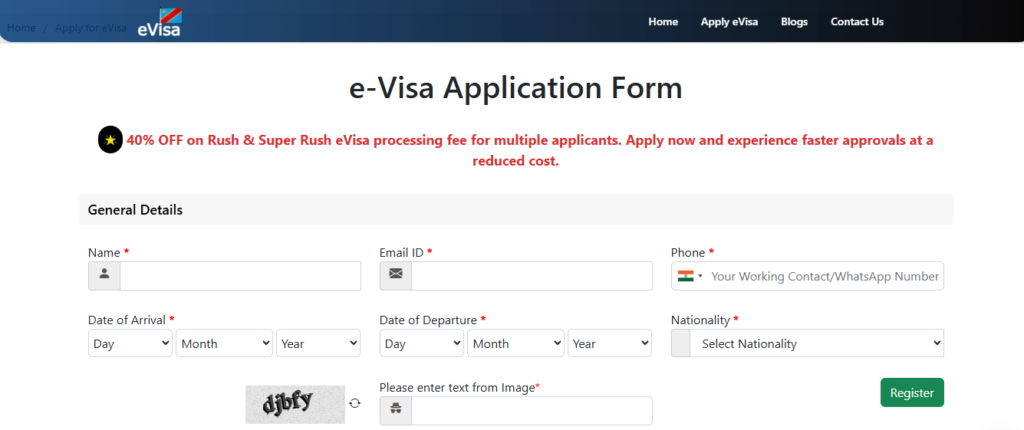
Step 1: Prepare Your Passport and Travel Plans
- Make sure your Lithuanian passport is valid for at least six months from your planned arrival date (this is a common requirement).
- Decide your travel dates, entry and exit points, and accommodation.
- Ensure you have a scan or digital copy of your main passport page and a recent colour photograph.
Step 2: Choose the Correct Visa Type
- From the “Different Types of Democratic Republic of the Congo e-Visa” section above, decide you’re applying for the tourist/visitor authorisation.
- Note the expected duration and number of entries needed.
Step 3: Complete the Online Application Form
- Fill in your full name, birth date, passport details, address in Lithuania, planned travel dates, destination in DRC, and contact information.
- Upload your photograph and passport bio-page scan.
- Double-check spelling and accuracy—typos could delay approval.
Step 4: Review Your Supporting Documents
You will typically need:
- Valid passport scan
- Passport-style photo
- Booking or proof of accommodation in DRC
- Return or onward travel information
- Vaccination certificate (especially yellow fever) — travellers must present proof.
Step 5: Submit the Application and Wait for Approval
- Once submitted, you wait for the approval email or digital authorisation. Some sources suggest approval within a few business days.
- Make sure you print (or carry a digital copy) of the approved e-entry confirmation; you’ll need it on arrival.
Step 6: Travel and Show Your Authorization on Arrival
- At your arrival point in DRC, present the e-entry confirmation, your passport, and any other requested documents (hotel booking, onward ticket, vaccination card).
- The local border authority will process your arrival stamp.
Step 7: Enjoy Your Stay & Follow Local Rules
- Be aware of the stay-limit of your entry authorisation (e.g., 7 days or according to your selected category).
- Respect local regulations, carry a copy of your authorisation, and keep your passport available.
By following these steps, you’ll be well-prepared to Apply Democratic Republic of the Congo e-Visa from Lithuania with confidence.
Required Documents for the Congo eVisa Application
Here’s a more detailed list of the documentation you’ll want to gather ahead of time:

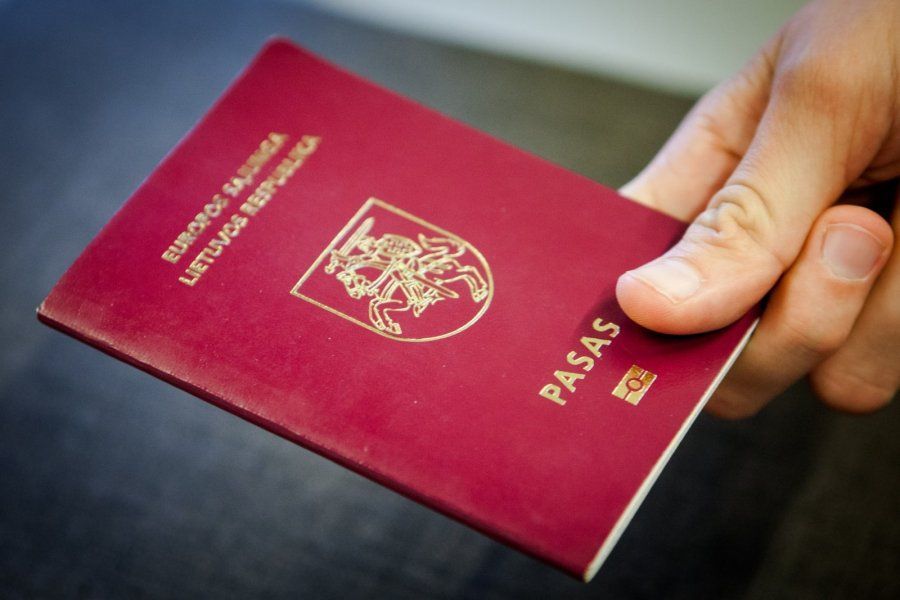
- Valid Lithuanian passport with at least six months validity and blank pages.
- Digital or scanned copy of the passport bio-page.
- Recent passport-style photo (colour, good lighting, plain background).
- Proof of accommodation in the DRC (hotel booking or host invitation).
- Proof of return or onward travel from the DRC.
- Yellow fever vaccination certificate (often required by DRC for all arrivals).
- Digital payment method (for application process—ensure you check that your payment method is accepted).
- Optionally, travel itinerary within the country and a letter explaining your trip purpose (especially if your travel is not purely leisure).
- Authorised print or digital version of the approved entry authorisation (once successful).
Remember: missing or incorrect documentation is one of the major causes of delays or rejections, so take time to prepare.
Common Mistakes to Avoid While Applying
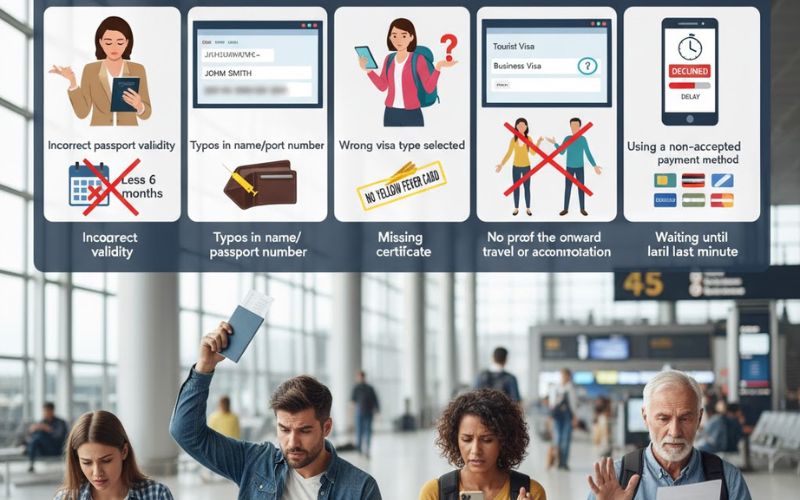
To increase your chances of a smooth process when you Apply Democratic Republic of the Congo e-Visa from Lithuania, avoid these common missteps:
- Incorrect passport validity. If your passport doesn’t meet minimum validity (e.g., less than six months), entry could be refused.
- Typos in name/passport number. A simple spelling mistake in the application may cause a mismatch at arrival.
- Wrong visa type selected. Opening a business-type when you’re actually a tourist will complicate things.
- Missing vaccination certificate. Without the yellow fever card, you may face denial of boarding.
- No proof of onward travel or accommodation. Border agents may ask for these to verify your stay legitimacy.
- Using a non-accepted payment method. Make sure you know which payment types are supported for the online application.
- Waiting until last minute. Technical issues or delays may creep in; aim to apply at least a few weeks ahead.
By sidestepping these pitfalls, you’ll set yourself up for a much smoother experience.
Duration of Stay and Validity of the e-Visa
When you use the Congo eVisa, here’s what you should know about how long you can stay and how long the authorisation remains valid:
- The e-entry authorisation often allows up to 7 days stay for tourist/visitor types, according to recent sources for DRC.
- The authorisation itself may need to be used within 3 months from the date of issuance.
- If you wish to stay longer than the granted period, you’ll likely need to apply for an extension or a different visa category while in the country.
- When planning, make sure your travel dates match the validity period—arriving too late or overstaying may lead to complications.
In short: make your travel schedule align with the validity of your entry document for the best experience.
Entry Points Accepting the Congo eVisa
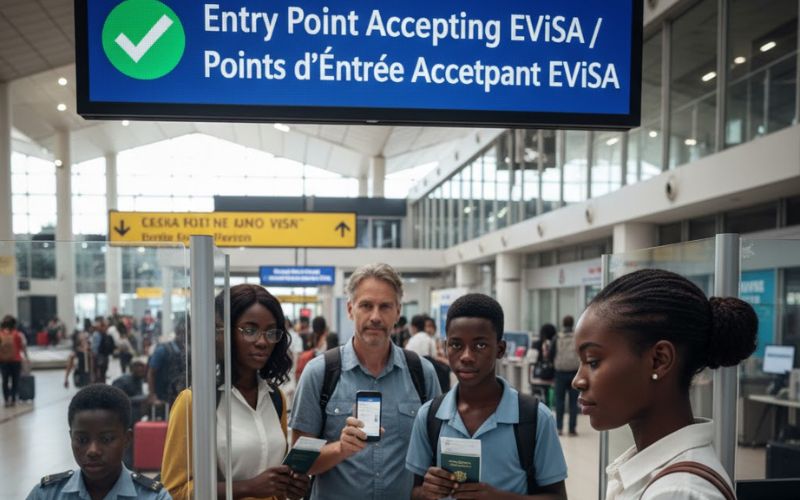
It’s important to know where you can use your entry authorisation when arriving in the DRC. Some key points:
- Major international airports are typically arranged to accept the e-entry authorisation (for instance, the capital city’s airport, regional gateway airports).
- Land border crossings and seaports may also accept the authorisation—but check beforehand to make sure the specific port is approved.
- Because systems may vary, double-check the airport or border you plan to use accepts the category of entry you hold.
- On arrival, presentation of the authorisation, passport, and required documents (accommodation, onward travel, vaccination card) will be required.
Ensuring your arrival point matches the entry authorisation is a great way to avoid last-minute hiccups.
Currency and Local Practices Every Traveler Should Know

Your travel experience in the DRC will be richer and smoother if you’re aware of a few local practicalities:
- Currency awareness: The local currency is the Congolese franc (CDF). Make sure you understand exchange rates and have a mix of accepted payment methods.
- Payments: In many places outside major cities, cash is still king—so carry enough small denominations for local transactions.
- Health and safety: Yellow fever vaccination is mandatory for entry into the DRC; bring your certificate. Also, check recommended vaccinations and health advisories before departure.
- Local transport and time: Infrastructure may differ from what you’re used to in Lithuania—budget extra time for transport, expect variable road conditions, and plan accordingly.
- Cultural respect: Respect local customs, dress modestly especially in rural areas, and always ask permission before photographing people.
- Connectivity: Internet and mobile coverage may be limited in remote areas—download maps and essential info beforehand.
- Power supply: Power-outages and voltage differences can happen—pack a universal plug and portable charger to stay prepared.
Being aware of these simple truths will help you travel confidently and with fewer surprises.
What to Do If Your e-Visa Gets Rejected

Even with best preparation, sometimes things don’t go perfectly. If your application to Apply Democratic Republic of the Congo e-Visa from Lithuania is rejected, here’s what you can do:
- Check the reason for rejection. Look for the feedback sent to you—typo, missing document, or ineligible category? Use this to adjust your next attempt.
- Consider applying again. If it was a minor error, you may submit a corrected application.
- Seek alternative entry routes. Depending on your purpose and time, you may look into a regular visa through a diplomatic mission or different category.
- Contact the relevant authorities. Ask for clarification—sometimes they may allow you to correct and resubmit.
- Delay travel if needed. It’s better to sort the authorisation properly than risk arrival without proper entry document and face refusal at the border.
Having a backup plan gives peace of mind—and learning from rejection can improve your next approach.
Tips for a Smooth e-Visa Application Process
To maximise your chances of a hassle-free experience when you Apply Democratic Republic of the Congo e-Visa from Lithuania, keep these tips in mind:
- Apply early. Aim to submit your application at least several weeks before travel—allow buffer for unexpected delays.
- Double-check your passport details. Make sure name, birth date, passport number and validity are correct and match your travel bookings.
- Keep all files ready and clear. Have good quality scans/photos of your passport, photo, vaccination card, accommodation proof, return travel.
- Save all correspondence. Once you submit, print or save your confirmation, application ID, and eventual approval—store it both digital and hard copy.
- Check arrival point acceptability. Confirm your entry point in the DRC accepts the e-entry authorisation you will use.
- Carry backup. Bring copies of your application approval, vaccination certificate, accommodation booking, and travel itinerary in your bag.
- Update travel insurance. Ensure you have coverage for the DRC, including medical evacuation—remote locations carry risks.
- Be culturally sensitive and prepared. Read up on local customs, health advice, safety updates—travel with awareness.
- Plan your internal transport and logistics. In the DRC, internal travel may take longer than you expect—budget time for transfers and transitions.
- Monitor local advisories. Check for travel advisories or security updates for the region you plan to visit—it helps you stay safe and flexible.
By integrating these suggestions, you’ll enhance your chance of a worry-free application and arrival.
Conclusion: Making the Most of Your Trip to the Congo
The decision to Apply Democratic Republic of the Congo e-Visa from Lithuania marks the first step toward a bold and meaningful travel experience. With the right preparation, you’ll be poised to explore one of Africa’s most intriguing destinations—rich in nature, culture, and adventure. Take care with your application, plan wisely, and most importantly: go with an open mind and flexible spirit. The DRC rewards travellers who are curious, respectful, and ready to embrace the unexpected. Here’s to your journey—may it be safe, rich, and unforgettable!
FAQ (Frequently Asked Questions)
Q: How long does the application take?
A: Many applications are processed within a few business days once all documents are submitted. However, delays can occur, so apply early.
Q: Can I stay longer than the period allowed on the entry authorisation?
A: Typically you may need to apply for an extension or change category. Over-staying without authorisation can lead to difficulties.
Q: Can I enter the DRC at any border with the e-entry authorisation?
A: Most major airports and approved entry points accept it, but always double-check the specific port you plan to use.
Q: Do I need a yellow fever vaccination certificate?
A: Yes. This is a standard requirement for travellers to the DRC. Make sure you carry your card and it is valid.
Q: What if I make a mistake on the application?
A: Depending on the error, you may need to resubmit the application with correct information. Avoiding mistakes is best.