
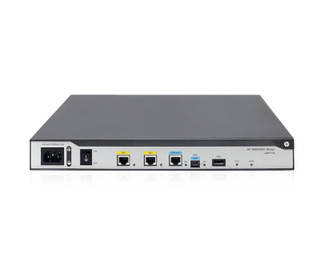
In the modern world of IT hardware, efficient and reliable networking is essential for businesses and individuals alike. Two critical components that ensure smooth communication between devices are Bridges & Routers. These devices are central to both home and enterprise networks, forming the backbone of computer hardware setups and IT infrastructures. Understanding their differences, functions, and applications can help organizations make informed decisions when upgrading or designing their networks.
What is a Bridge?
A Bridges & Routers is a networking device that connects two or more network segments, effectively creating a single network. Its primary role is to filter traffic, reduce network congestion, and improve overall efficiency. Bridges operate at the data link layer (Layer 2) of the OSI model, meaning they examine the MAC addresses of incoming data packets to determine whether to forward or block them.
By limiting unnecessary traffic between segments, bridges ensure that only relevant data reaches the intended destination. This makes bridges especially valuable in IT hardware setups where multiple devices need to communicate within a localized area network (LAN). Bridges are often used in office environments to divide a large network into smaller, manageable segments while maintaining smooth communication between devices.
What is a Router?
In contrast, routers are more sophisticated devices that connect multiple networks and direct data packets from one network to another. Bridges & Routers operate at the network layer (Layer 3) of the OSI model, using IP addresses to determine the best path for forwarding data. Unlike bridges, routers have built-in intelligence to manage traffic between different networks, including local networks and the internet.
Routers also provide additional functionalities, such as firewall protection, DHCP services, and network address translation (NAT), making them indispensable components of modern computer hardware and IT infrastructure. In enterprise setups, routers ensure that remote offices, cloud servers, and various subnets remain seamlessly connected while maintaining security and efficiency.
Key Differences Between Bridges & Routers
One of the main distinctions between Bridges & Routers is their scope of operation. Bridges are limited to connecting devices within the same network, whereas routers can link entirely separate networks, enabling communication across vast geographical distances.
For example, in a corporate environment, bridges may be used to segment a large office LAN into smaller, manageable sections, reducing congestion and improving performance. On the other hand, routers allow these segmented networks to communicate with remote offices or cloud servers efficiently. Understanding these differences is crucial for IT hardware professionals who aim to optimize network performance and reliability.
Bridges & Routers in Network Security
Another important aspect to consider is the role of Bridges & Routers in enhancing network security. Bridges, while primarily designed for traffic management, can provide basic security by isolating network segments and limiting exposure to potential threats. For instance, sensitive departments within an organization can be separated from general office traffic, reducing the risk of accidental data leaks.
Routers, however, offer more robust security features. Many routers include built-in firewalls, virtual private network (VPN) support, and intrusion detection systems. These features protect both local networks and connected remote networks, making routers essential in computer hardware systems that require high security, such as banking, healthcare, and government infrastructure.
Performance Optimization Through Bridges & Routers
Efficient IT hardware setups require optimal performance, and both bridges and routers contribute significantly to this goal. Bridges improve network efficiency by reducing unnecessary traffic and creating a more organized LAN structure. Routers enhance performance by selecting the best routes for data transmission, preventing network congestion, and balancing traffic across multiple connections.
In addition, modern routers often support Quality of Service (QoS) settings, which prioritize critical applications such as video conferencing or VoIP calls. This ensures that high-priority services maintain smooth operation even during peak network usage. By strategically deploying bridges and routers, IT hardware managers can achieve both reliability and speed in their networks.
Use Cases of Bridges & Routers in IT Hardware
Understanding where and how to use Bridges & Routers is essential for any IT hardware deployment. Bridges are commonly used in environments where network segmentation is needed but connectivity must remain seamless, such as:
- Expanding office LANs without replacing existing infrastructure
- Connecting legacy devices that are not compatible with modern routers
- Reducing traffic congestion in heavily utilized network segments
Routers, on the other hand, are ideal for scenarios that require inter-network communication or internet access, including:
- Connecting multiple branch offices in different locations
- Linking local networks to cloud services
- Enabling secure remote access for employees
- Managing bandwidth and network traffic efficiently
By choosing the appropriate device for each scenario, organizations can improve both performance and security across their computer hardware ecosystem.
Bridges & Routers in Modern Computer Hardware
With the growth of IoT devices, smart offices, and cloud computing, the role of Bridges & Routers in computer hardware has become more critical than ever. Modern IT hardware relies on seamless network connectivity to function effectively. Bridges ensure that local networks remain organized and efficient, while routers provide the necessary intelligence to manage traffic between networks and the internet.
Moreover, with advances in router technology, many devices now combine the functionality of bridges and routers into a single unit, offering simplified management without compromising on performance. This integration is particularly useful for small businesses or home networks where space, budget, and complexity are important considerations.
Choosing the Right Device for Your Network
Selecting the right IT hardware device requires a careful assessment of network requirements. For networks that primarily need internal communication and traffic management, bridges may be sufficient. For networks that require external connectivity, security, and advanced traffic management, routers are indispensable.
IT hardware professionals should also consider hybrid solutions, where both bridges and routers work together to optimize performance. Proper planning ensures that network expansions, upgrades, and maintenance tasks are more manageable and cost-effective.
Conclusion
Bridges & Routers are fundamental components of IT hardware and computer hardware systems, each serving distinct but complementary roles. Bridges improve local network efficiency and traffic management, while routers connect multiple networks, provide security, and manage data flow intelligently. Understanding their functions and differences is crucial for IT professionals seeking to build reliable, secure, and high-performing networks.
By leveraging both devices effectively, a business can ensure seamless communication, enhanced security, and optimal performance across its IT infrastructure. Whether for a small office or a large enterprise, integrating bridges and routers strategically is key to achieving a robust and future-proof network, helping any business maintain a competitive edge in today’s technology-driven world.