
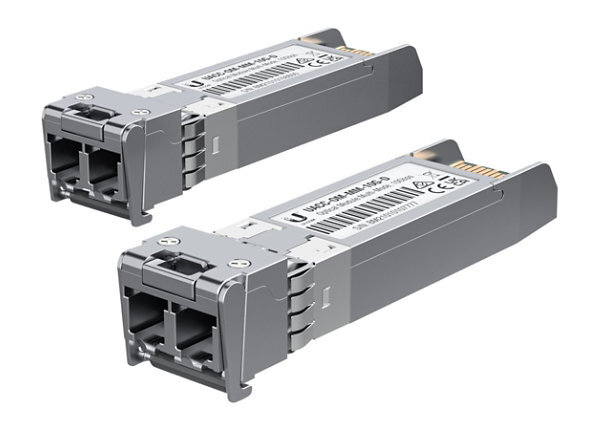
In today’s rapidly evolving digital ecosystem, the demand for fast, reliable, and efficient communication systems continues to grow. Whether in data centers, enterprise networks, telecommunications, or consumer devices, one essential component plays a critical role—the Transceiver. The name itself is a blend of two functionalities: transmitting and receiving signals, making it a multifunctional asset in modern communication systems. As IT infrastructures expand and organizations adopt advanced Computer Hardware solutions, the importance of transceivers becomes increasingly evident. This article explores what a Transceiver is, how it works, and why it is so crucial in the world of IT Hardware and Computer Hardware today.
What Is a Transceiver?
A Transceiver is an electronic device capable of both sending and receiving signals. Instead of requiring separate components for transmission and reception, a transceiver combines both capabilities into a single unit. This not only saves space but also increases system efficiency, reduces complexity, and lowers costs.
Transceivers can work with different types of signals—radio frequency (RF), optical, digital, and analog. They are used across industries such as networking, telecommunications, broadcasting, and consumer electronics. In IT Hardware and Computer Hardware environments, transceivers are fundamental for establishing high-speed data communication between devices, enabling seamless connectivity within network infrastructures.
Types of Transceivers in IT and Computer Hardware
In the IT sector, transceivers come in various forms, each designed for specific functions and environments. Here are the most common types:
1. Optical Transceivers
Optical transceivers use light signals transmitted through fiber-optic cables. They are widely used in data centers and high-speed enterprise networks. These devices support long-distance communication and offer extremely high bandwidth.
Common optical transceiver modules include:
- SFP (Small Form-factor Pluggable)
- SFP+
- QSFP+
- QSFP28
- XFP
These modules plug into network switches, routers, and other Computer Hardware components to enhance data transfer capabilities.
2. Wireless Transceivers
Wireless transceivers are used in mobile devices, IoT sensors, and wireless communication equipment. They transmit and receive radio signals to enable wireless connectivity.
Examples include:
- Wi-Fi transceivers
- Bluetooth transceivers
- RF transceivers used in remote controls and drones
3. Ethernet Transceivers
Ethernet transceivers, also known as PHY transceivers, are integrated into network cards and switches. They enable wired communication over Ethernet cables, forming the backbone of modern IT Hardware infrastructures.
4. Modular and Embedded Transceivers
Some transceivers come as modular components that can be swapped or upgraded, while others are embedded directly into Computer Hardware. Modular transceivers provide flexibility, allowing system administrators to adapt to evolving network demands.
How a Transceiver Works
The operation of a Transceiver involves three main processes:
1. Transmission
The transceiver converts digital data from the device into a signal suitable for the communication medium—light signals for fiber optics or electrical signals for copper cables.
2. Reception
Upon receiving signals from another device, the transceiver converts them back into digital data readable by computer hardware.
3. Signal Conditioning
Many transceivers also include built-in features such as:
- Amplification
- Error correction
- Signal modulation/demodulation
These functions ensure data integrity and performance across various environments, especially over long distances.
Why Transceivers Are Important in Modern IT Hardware
Transceivers are essential components that bridge communication between devices. Here’s why they matter:
1. High-Speed Data Transfer
As businesses rely more on cloud systems, big data, and virtualization, high-speed data transfer becomes crucial. Optical transceivers, in particular, support speeds ranging from 1Gbps to 400Gbps.
2. Scalability
Modular transceivers allow IT teams to scale networks easily. When bandwidth needs increase, the transceiver modules can be replaced without changing the entire hardware setup.
3. Reliability
Transceivers ensure consistent and reliable communication, reducing network downtime and improving performance.
4. Cost Efficiency
Since a transceiver handles both sending and receiving, fewer components are needed, lowering overall hardware costs. They also reduce the need for frequent system upgrades.
5. Flexibility Across Distances
Different transceiver modules support different ranges—some are ideal for short distances within a building, while long-range transceivers can support communication across kilometers.
Transceivers in Data Centers
Modern data centers depend heavily on transceivers to manage communication between servers, storage systems, and networking equipment. With the rise of cloud computing, virtualization, and container-based applications, data centers require high-bandwidth, low-latency connections.
Transceivers help data centers:
- Handle massive data loads
- Connect hundreds or thousands of servers
- Support 10G, 40G, 100G, and 400G networks
- Reduce energy consumption with efficient optical modules
Transceivers in Consumer Computer Hardware
While transceivers are often associated with enterprise IT Hardware, they also appear in everyday consumer devices. Some examples include:
- Wi-Fi cards in laptops
- Bluetooth transceivers in computers and peripherals
- Optical transceivers in home routers and network switches
Their presence ensures seamless connectivity for streaming, online gaming, wireless communication, and smart home devices.
Key Factors to Consider When Choosing a Transceiver
If you’re upgrading IT Hardware or designing network architecture, selecting the right transceiver is crucial. Consider the following:
1. Data Transfer Speed
Ensure the module supports the required speed—1G, 10G, 40G, 100G, or higher.
2. Distance Requirements
Choose between short-range (SR) or long-range (LR) transceivers based on deployment needs.
3. Cable Compatibility
Match the transceiver to the appropriate cable type—fiber or copper.
4. Form Factor
Ensure compatibility with switches, routers, or computer hardware ports.
5. Brand and Standard Compliance
Use transceivers that adhere to industry standards (IEEE, MSA) for better reliability.
Future of Transceivers in IT & Computer Hardware
As technology evolves, transceivers are becoming smaller, faster, and more energy-efficient. Future developments include:
- 800G and 1.6T optical modules
- AI-optimized data centers requiring higher bandwidth
- Improved signal processing technologies
- Greater integration in IoT and smart devices
The growing demand for faster networks, cloud computing, and edge computing ensures transceivers will remain vital components in both IT Hardware and Computer Hardware systems.
Conclusion
A Transceiver is far more than a simple communication device—it is the backbone of modern networking and digital communication. Whether in enterprise networks, data centers, or consumer electronics, transceivers enable fast, reliable, and efficient data transmission. As IT Hardware and Computer Hardware continue to evolve, the role of transceivers becomes even more essential. Understanding how they work and selecting the right ones can greatly enhance system performance, scalability, and overall network reliability.
For any modern business, investing in the right transceiver is a smart and future-proof decision that supports growth, strengthens network infrastructure, and ensures long-term operational success.